CAS Nepal Blog
Ideas for better continuous assessment
Classroom-tested guidance on CDC rubrics, evidence collection and reporting for Grades 1–5.
15 October 2026
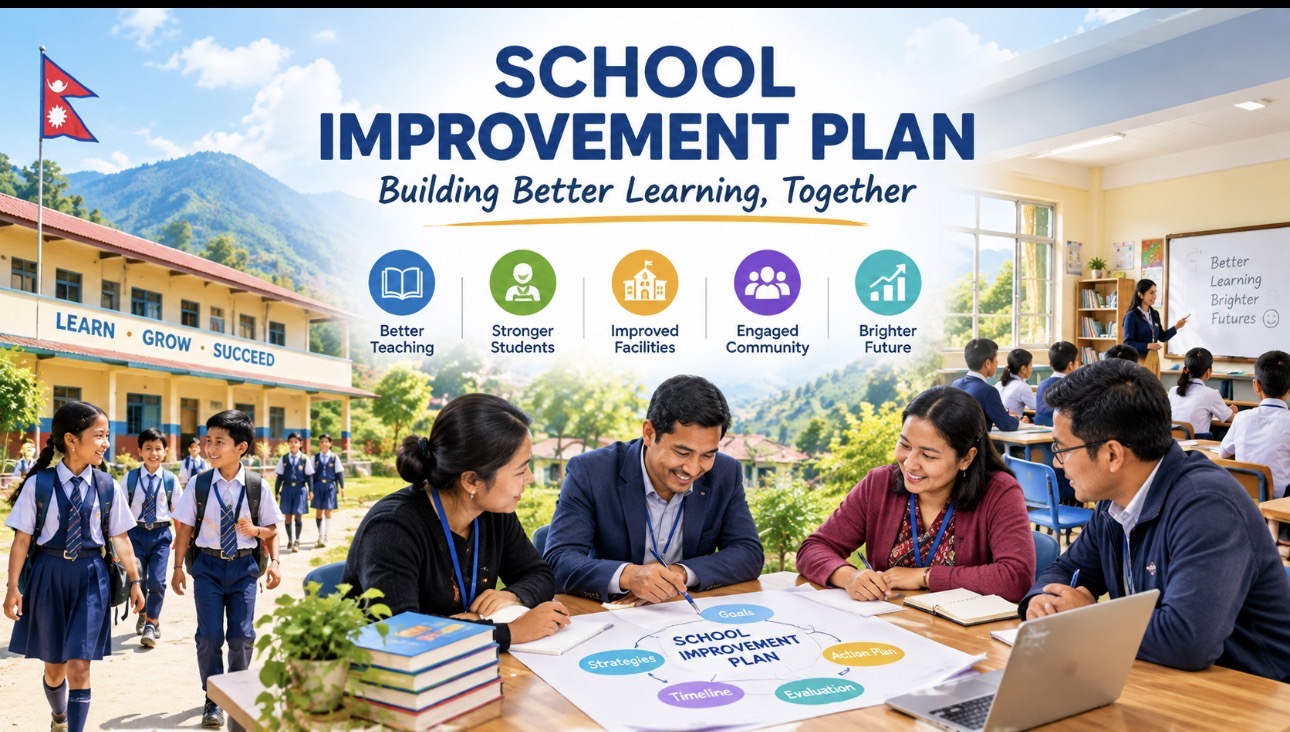
School Improvement Plan (SIP): 5 Strategies to Improve Student Learning
Learn how to create an effective School Improvement Plan (SIP) with five practical strategies to improve student learning, teaching quality, school leadership, and overall school performance.
10 October 2026
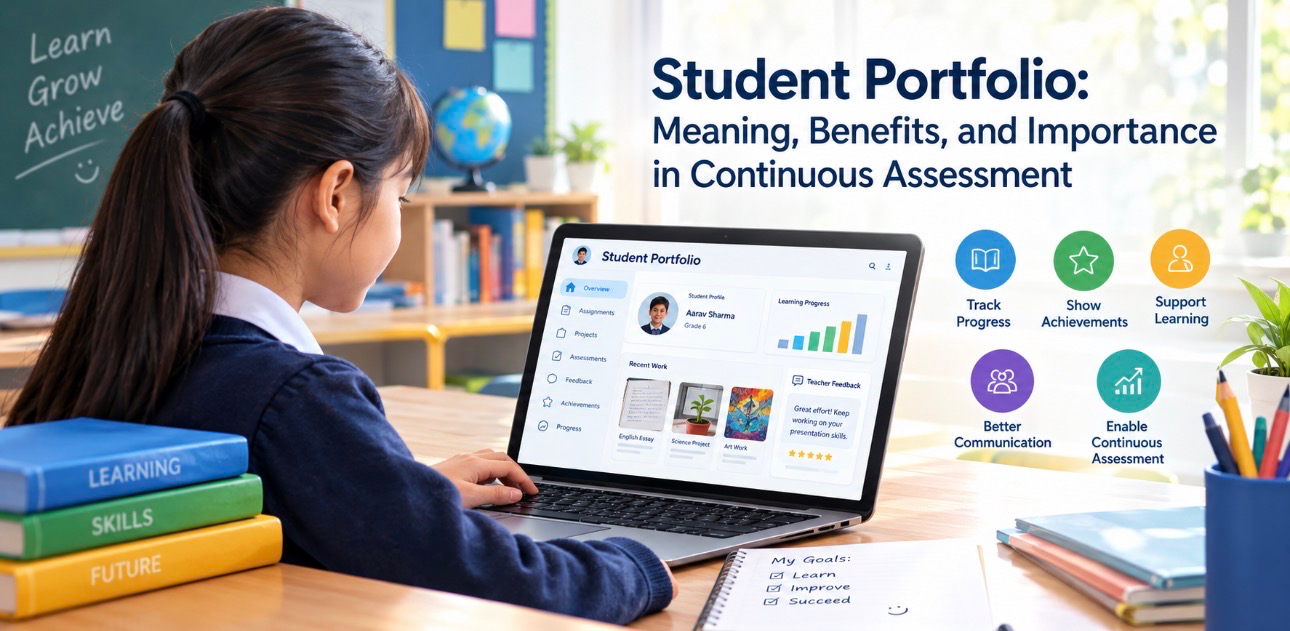
Student Portfolio: Meaning, Benefits, and Importance in Continuous Assessment
Learn what a student portfolio is, why it matters, and how digital student portfolios help teachers track student progress through a Continuous Assessment System (CAS).
3 October 2026
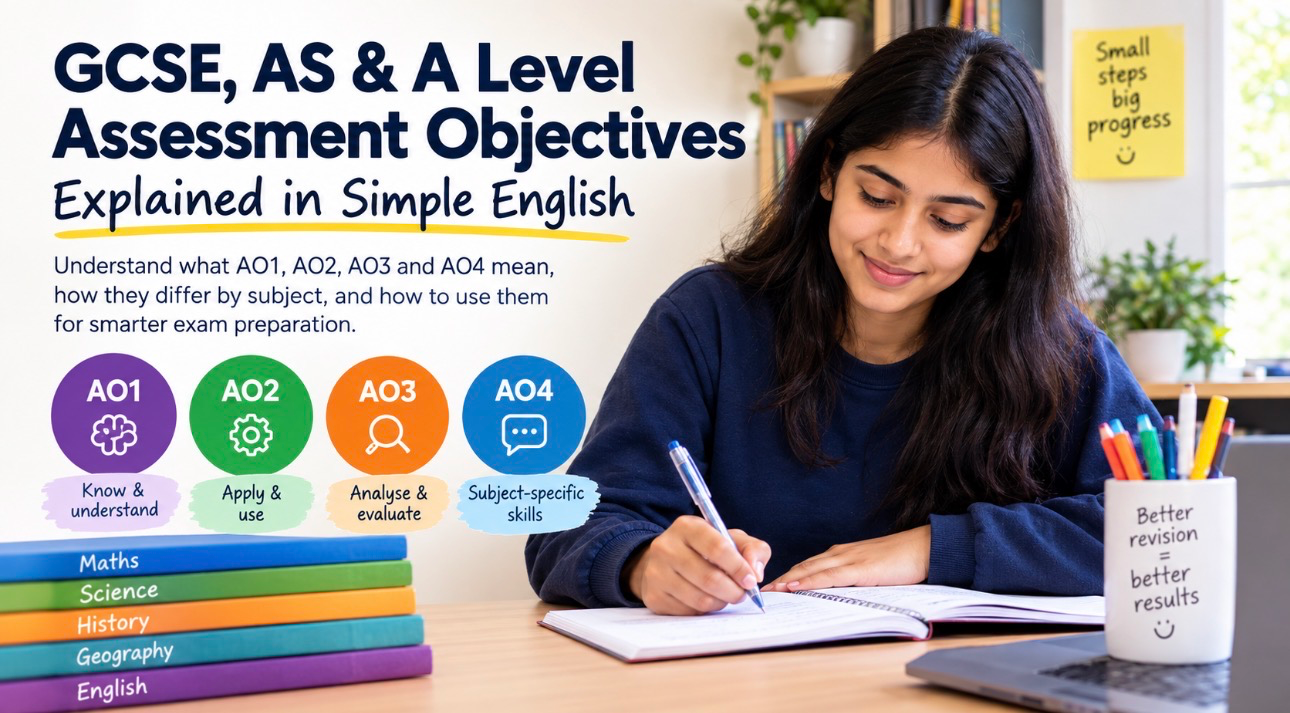
GCSE, AS & A Level Assessment Objectives Explained: AO1, AO2, AO3 & AO4
Understand GCSE, AS and A Level assessment objectives in simple English. Learn what AO1, AO2, AO3 and AO4 mean, how they differ by subject, and how students can use them for smarter exam preparation.

3 October 2026
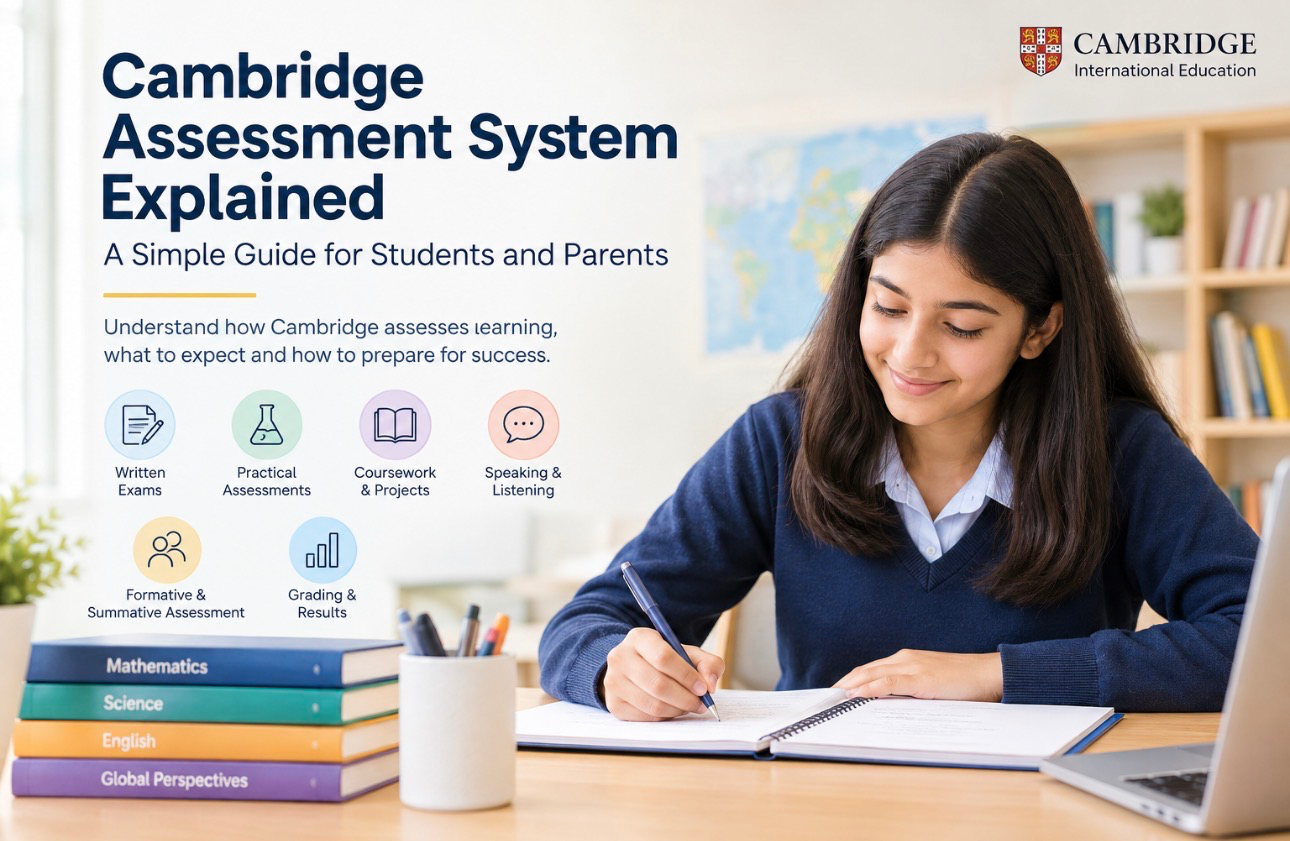
Cambridge International Education: Benefits, Curriculum, IGCSE & A Level Explained
Explore Cambridge International Education, its curriculum, IGCSE and A Level qualifications, key benefits, international recognition, and a practical guide for parents choosing a Cambridge school in Nepal.
2 October 2026
Cambridge Assessment System Explained: A Simple Guide
Learn how the Cambridge assessment system works, including IGCSE, AS and A Level exams, practical assessment, coursework, grading and preparation.
2 October 2026
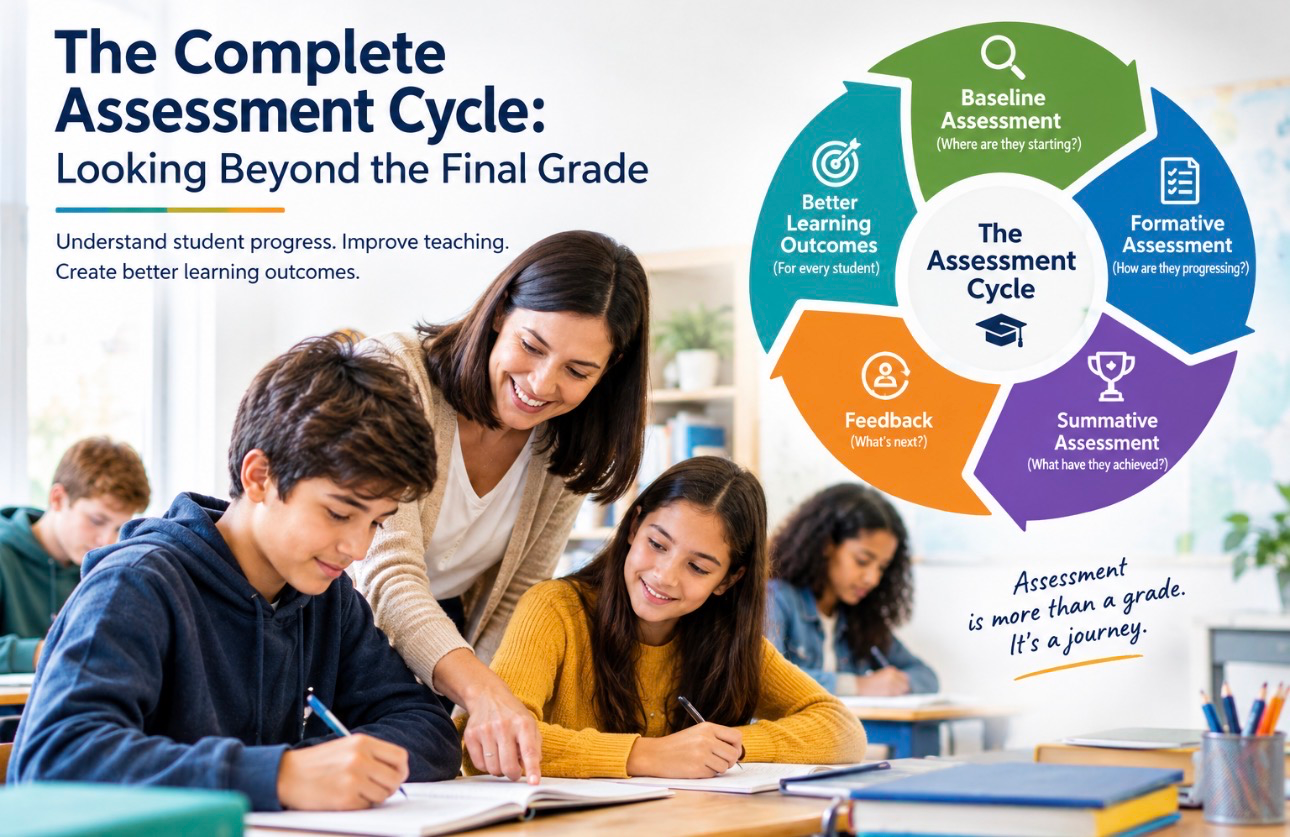
The Complete Assessment Cycle: A Simple Guide to Student Learning
Learn how the complete assessment cycle works, from baseline and formative assessment to summative assessment. Discover how teachers can use assessment and feedback to understand student progress, improve teaching, and support better learning outcomes.
16 September 2026
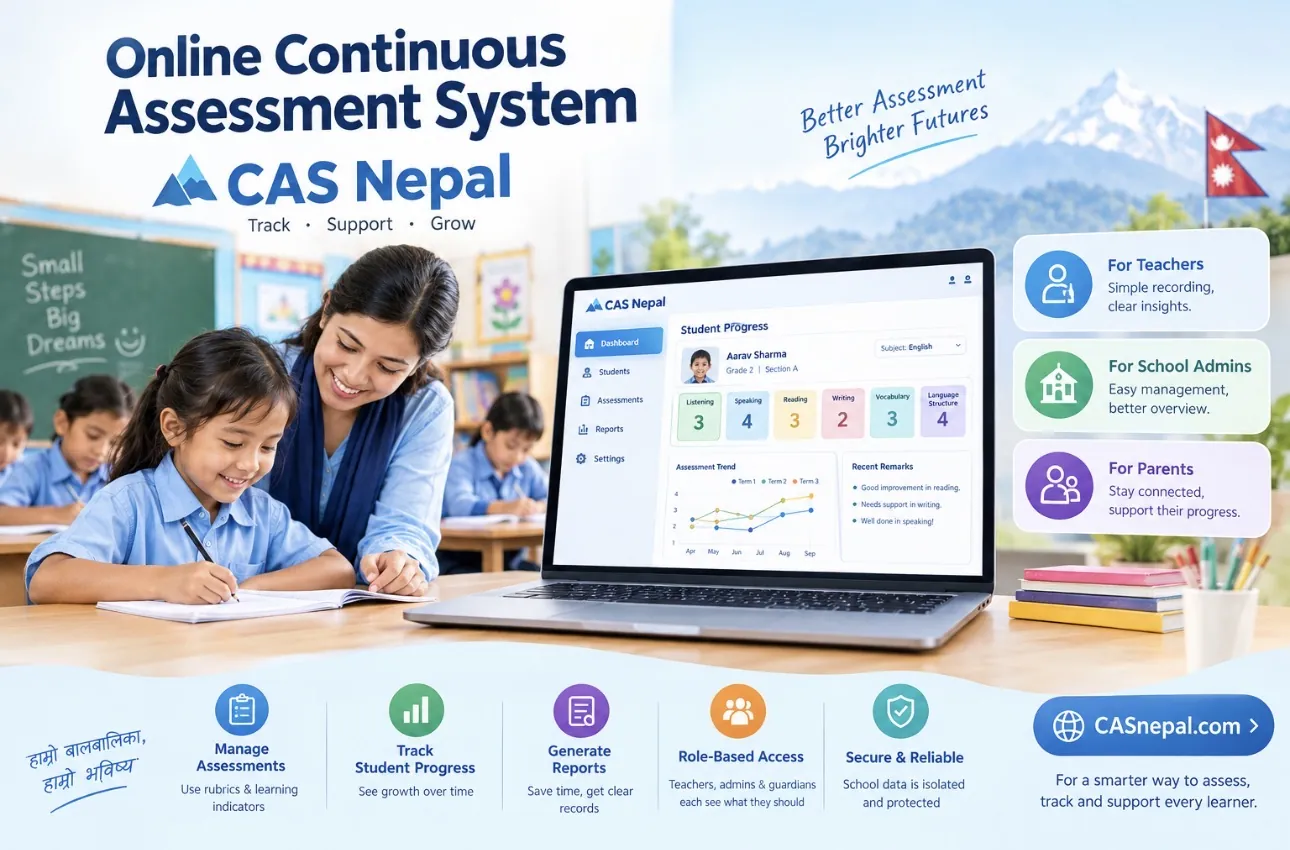
Online Continuous Assessment System in Nepal \| CAS Nepal
Discover how an online continuous assessment system can help Nepalese schools manage Grades 1–5 assessment, track student progress, use rubrics, maintain digital records, prepare reports, and give teachers and guardians a clearer view of learning. Learn how CAS Nepal makes continuous assessment simpler and more organised.
11 September 2026
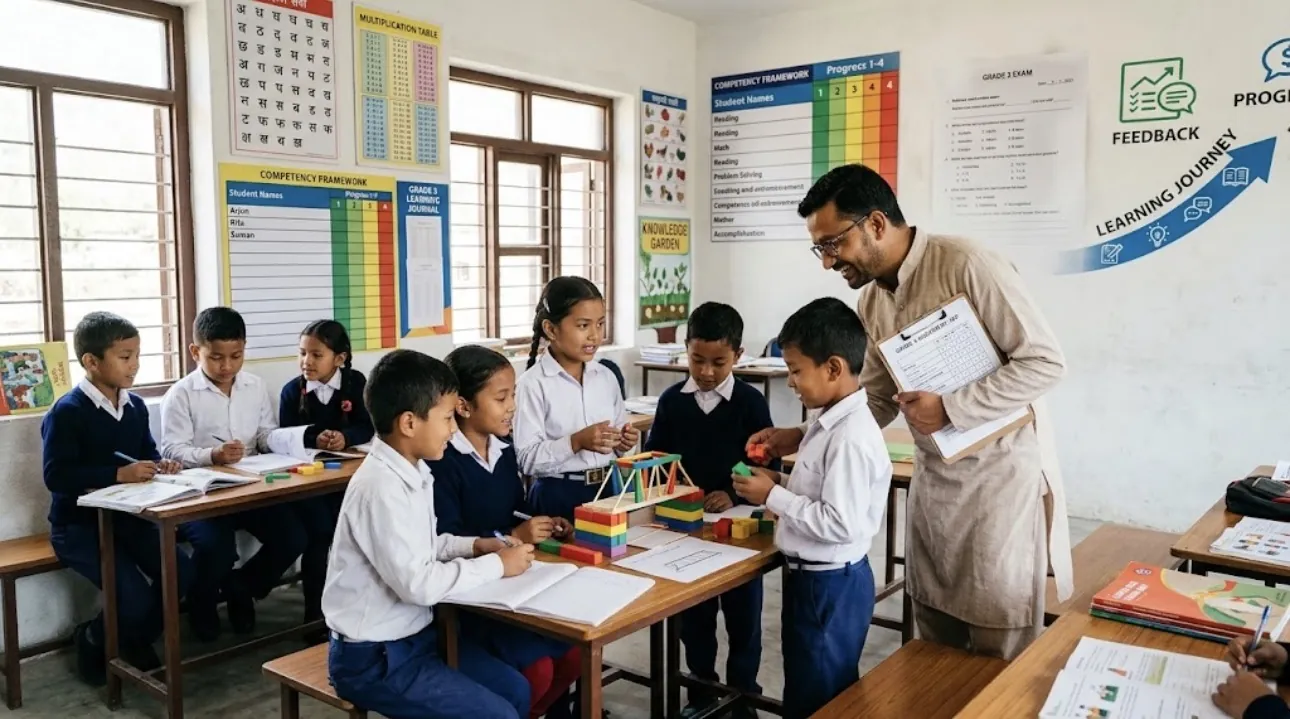
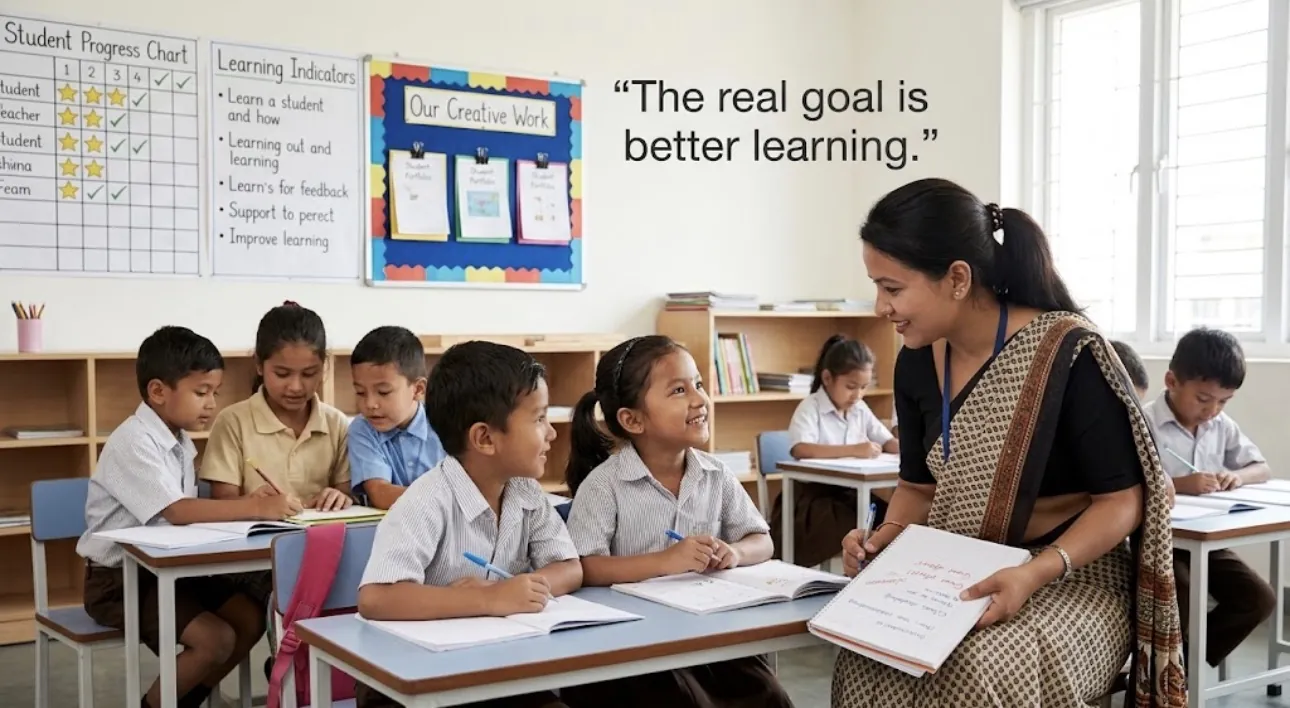
Primary Students Are Moving Away From Exams: Can Continuous Assessment Fill the Gap?
As Nepal moves away from traditional exams in primary grades, Continuous Assessment System (CAS) can help teachers track learning through regular observation, feedback, and student progress.
11 September 2026
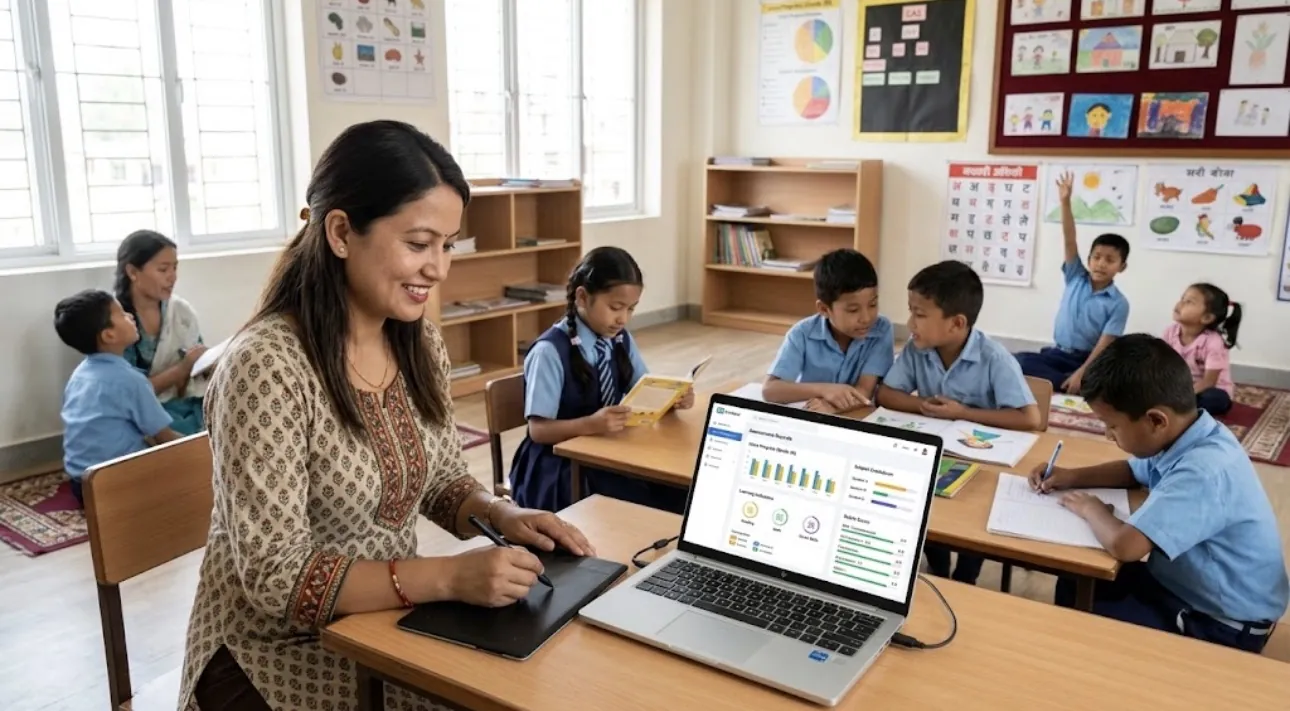
Continuous Assessment System in Nepal: The Gap Between Policy and Classroom Practice
Nepal has included continuous assessment as an important part of school education for many years. But having a policy is not enough. This article explores the gap between the policy of Continuous Assessment System (CAS) and its actual practice in classrooms.
11 September 2026
How CAS Nepal Makes Continuous Assessment Easy for Schools and Teachers
Managing continuous assessment can be difficult when schools depend on paper forms and scattered records. Learn how CAS Nepal can make assessment easier by helping schools organize students, record learning, track progress, and prepare reports in one place.
11 September 2026
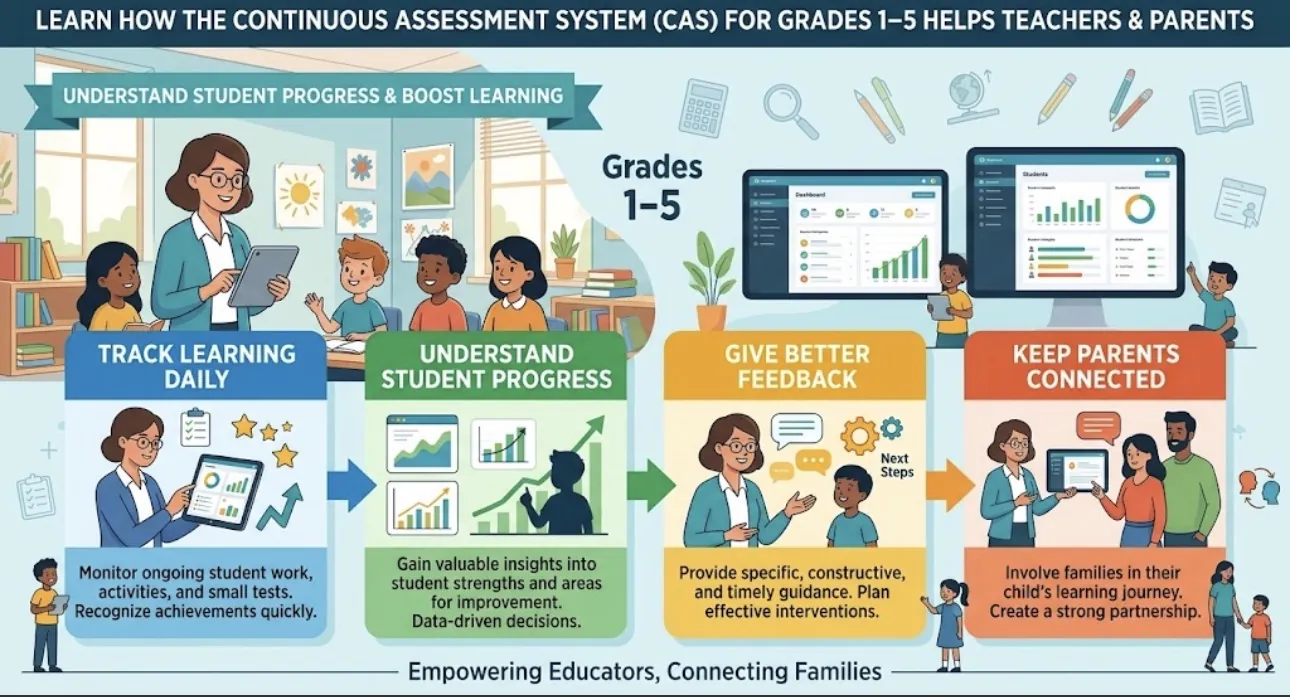
Continuous Assessment System for Grades 1–5: A Simple Guide for Schools, Teachers, and Parents
Learn how the Continuous Assessment System for Grades 1–5 helps teachers track learning, understand student progress, give better feedback, and keep parents connected with their child’s learning journey.
31 August 2026
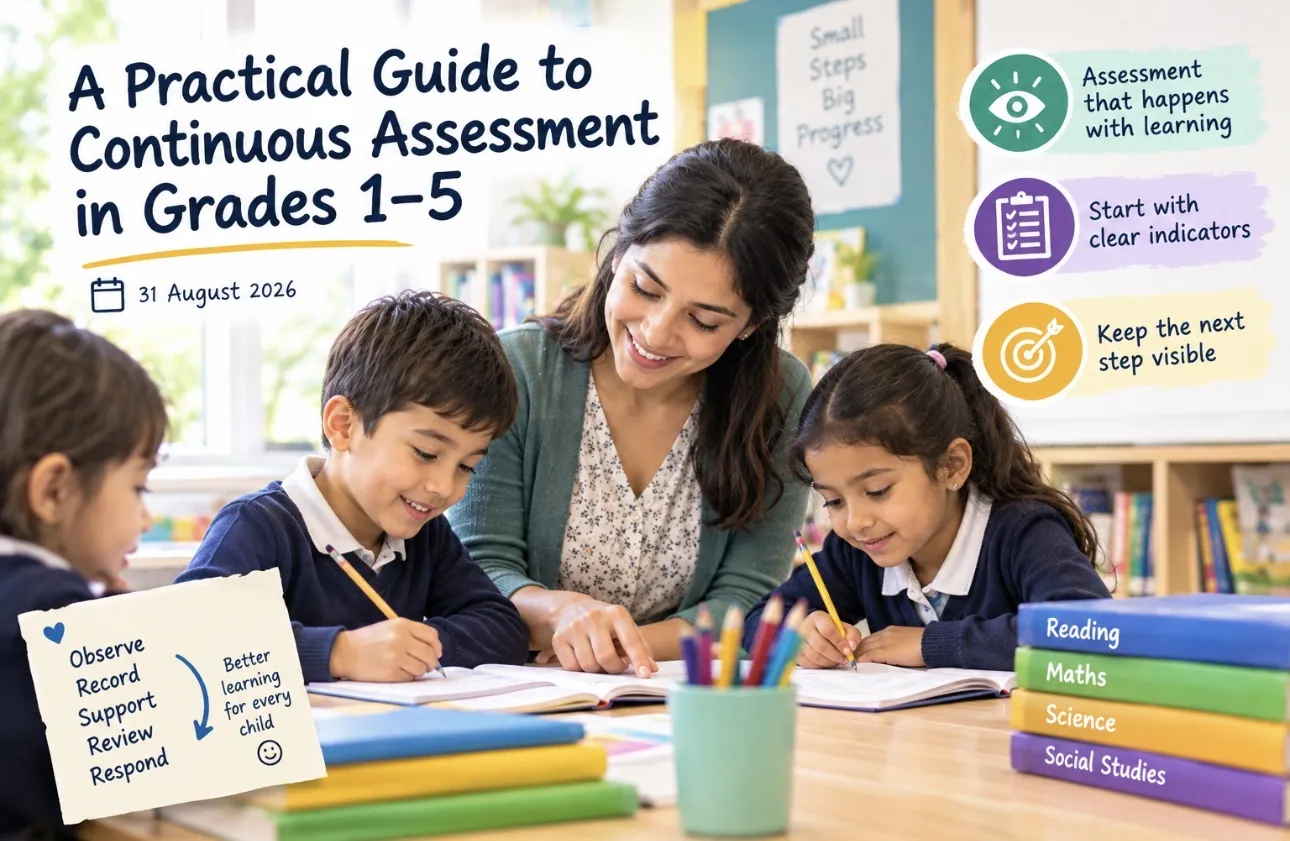
A practical guide to continuous assessment in Grades 1–5
How Nepali primary schools can turn everyday classroom observations into clear, useful evidence of learning.
24 August 2026
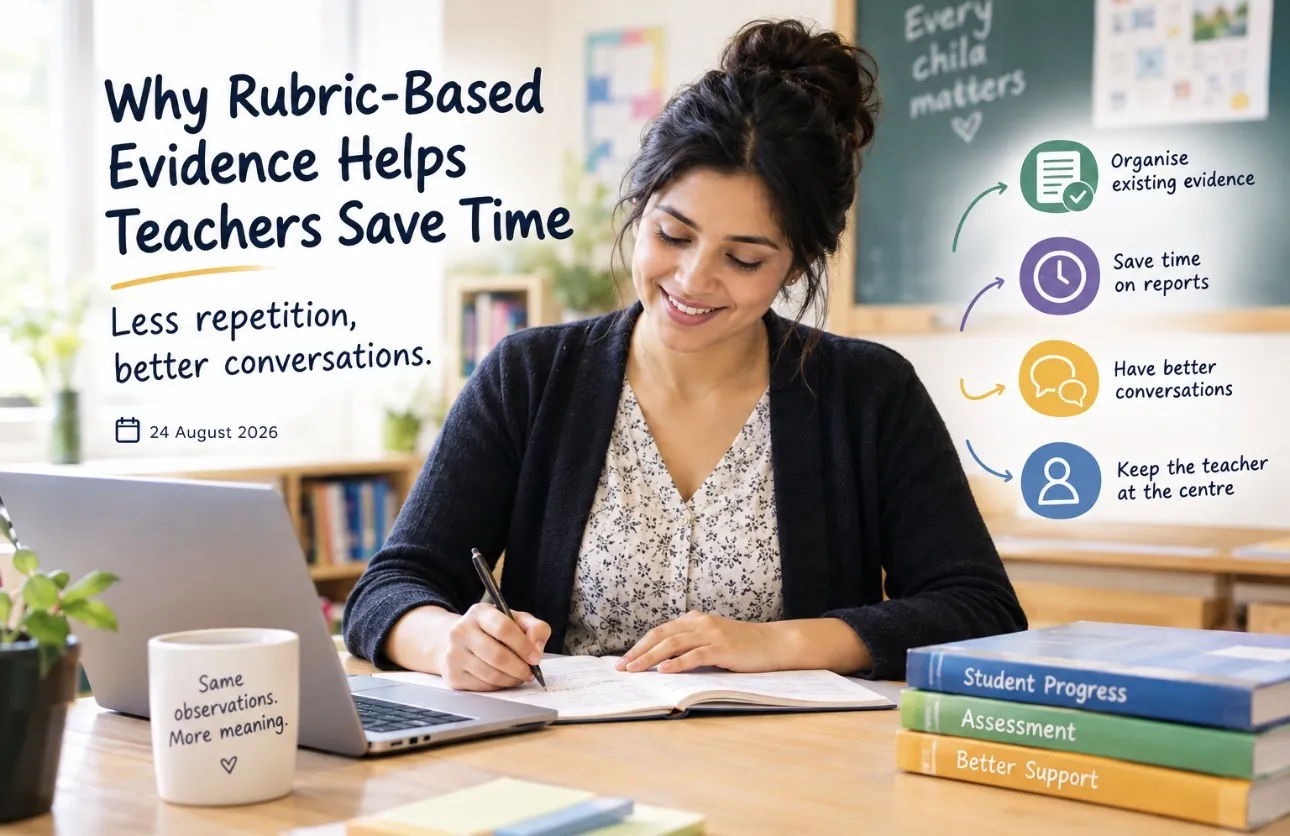
Why rubric-based evidence helps teachers save time
A focused rubric turns scattered notes into a repeatable assessment workflow without losing the teacher’s professional judgment.
17 August 2026
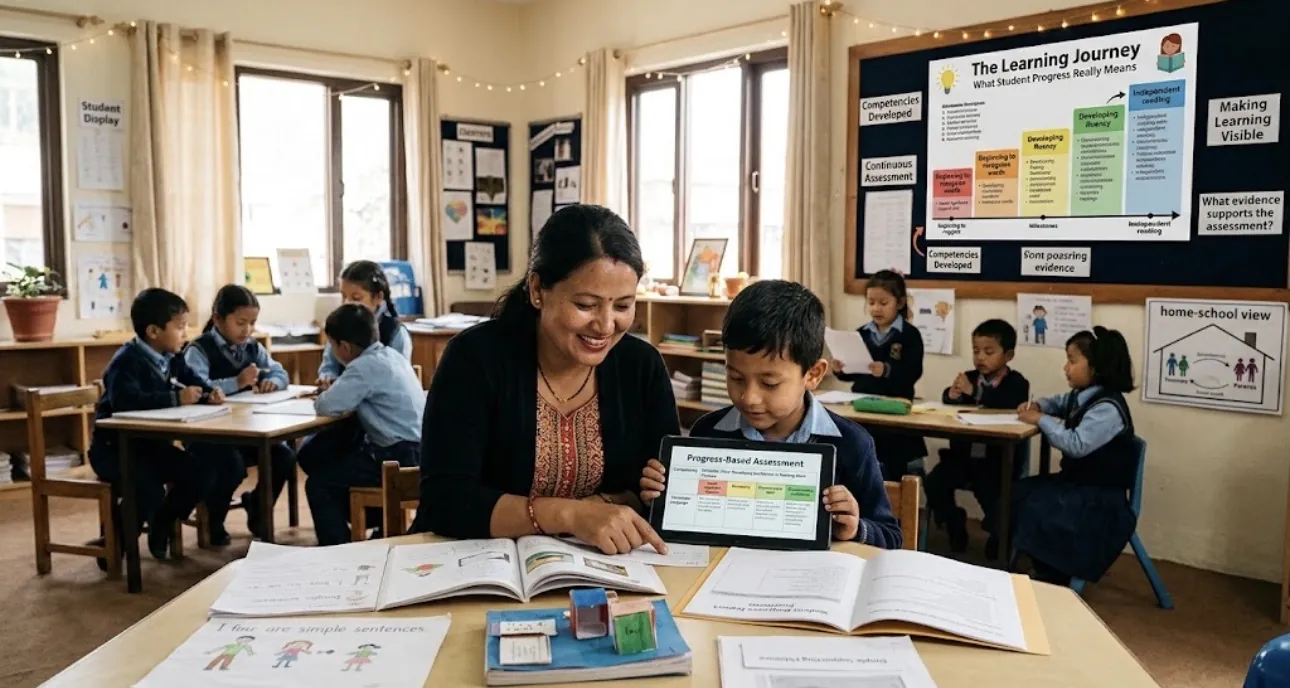
Building a stronger learning partnership with parents
When families can see learning progress clearly, school conversations become more timely, specific, and encouraging.